10 Best 20 Gallon Air Compressors 2026 in the United States
Related Products
Up to 38% off
Recommended lists

Our technology thoroughly searches through the online shopping world, reviewing hundreds of sites. We then process and analyze this information, updating in real-time to bring you the latest top-rated products. This way, you always get the best and most current options available.

Our Top Picks
Winner
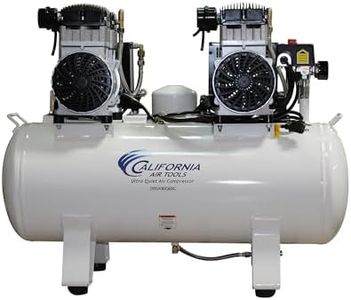
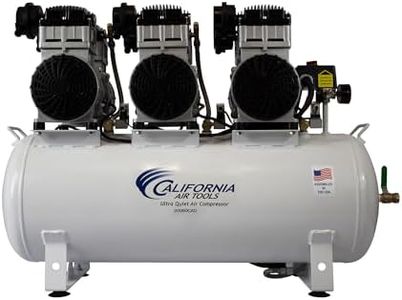
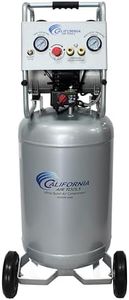
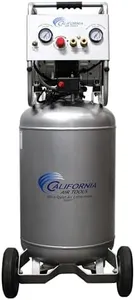
California Air Tools 20040DCADC Powerful 4.0 HP Ultra Quiet and Oil-Free Air Compressor, 20 Gallon Tank, 75 dB Noise Level, White, 220v 60hz, with 98% Air Drying System and Automatic Drain Valve
The California Air Tools 20040DCADC is a 20-gallon air compressor designed to deliver a solid balance of power, quiet operation, and maintenance ease. Its 4.0 HP motor offers enough strength for many common tasks like nailing, sanding, and spraying, with a maximum pressure of 125 PSI and airflow of 10.6 CFM at 90 PSI, which meets the needs of most light to medium-duty jobs. One notable feature is its ultra-quiet performance at 75 decibels, much quieter than many compressors in this size, making it a good choice for work environments where noise matters. The oil-free dual piston pump means less upkeep and cleaner air, which also benefits tool longevity.
The 20-gallon steel tank provides a good balance of capacity without being overly bulky, though at 170 pounds, it is less portable and better suited for a fixed workshop or jobsite rather than frequent moves. The included 98% air drying system and automatic drain valve help protect tools and reduce manual maintenance, which is a helpful convenience. It runs on 220 volts, so it requires compatible power supply, which might limit flexibility for some users.
Some users report mixed satisfaction reflected in its 3.2-star rating, possibly related to durability or performance expectations. This air compressor is a strong option for those wanting quiet, reliable air delivery with low maintenance in a stationary setup, though it may not be the best fit if portability or a higher duty cycle is a priority.
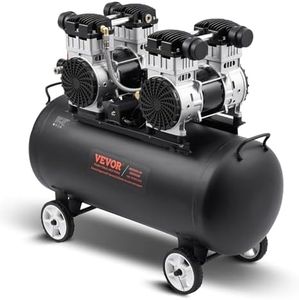
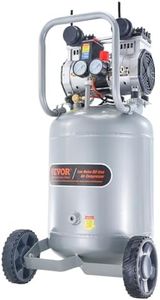
VEVOR Air Compressor, 20 Gallon Steel Tank, 4HP 10.6 CFM@90 PSI Oil Free Air Compressor & Max. 125PSI Pressure, 78dB Ultra Quiet Compressor for Auto Repair, Tire Inflation, Spray Painting (220V 60Hz)
Most important from
642 reviews
The VEVOR Air Compressor stands out as a solid option in the 20-gallon air compressor category, particularly for users involved in auto repair, tire inflation, and spray painting. With a powerful 4 HP motor and a delivery rate of 10.6 CFM at 90 PSI, it efficiently powers various pneumatic tools. One of its notable strengths is its oil-free design, which not only reduces maintenance but also helps prevent oil contamination in your work environment.
The compressor operates at a relatively quiet noise level of 78 dB, making it more pleasant to use in residential or semi-enclosed spaces. The built-in silencer technology effectively lowers noise output while also preventing dust from entering the system, allowing for a cleaner operation.
In terms of durability, the compressor features a robust 20-gallon steel tank with a three-layer corrosion-resistant construction, ensuring longevity and reliable performance. It is designed with safety in mind, equipped with an automatic shut-off feature and an efficient cooling system to prevent overheating. The VEVOR Air Compressor does have some limitations. At 134.7 pounds, its weight may hinder portability, making it less ideal for users needing to move it frequently. Additionally, the reliance on a corded electric power source could limit its use in areas without access to a power outlet. This compressor is best suited for hobbyists and light to medium-duty users looking for a versatile and quiet air compressor for routine tasks. If you’re after something more portable or with higher capacity for industrial use, you might want to explore other options.
Most important from
642 reviews
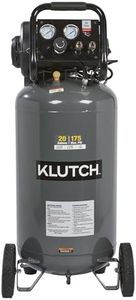
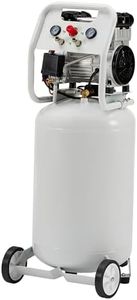
Klutch 20-Gallon Air Compressor, 2 HP, 120 Volts, 175 PSI
Most important from
594 reviews
The Klutch Portable 20-Gallon Air Compressor is designed for consistent and reliable performance, thanks to its 2 HP motor and thermal overload protection. This feature ensures the unit doesn't overheat during extended use, which can help extend its lifespan. It delivers 4.2 CFM at 90 PSI, making it suitable for high-demand applications and helping reduce downtime, which is beneficial for productivity in a workshop or garage setting.
The oil-free pump design minimizes maintenance needs, which is a practical advantage for users who prefer a low-maintenance machine. Portability is another strong point, as it comes with large rubber wheels and an ergonomic handle, making it easy to move around different work areas. Rubber foot stabilizers help to reduce vibration, enhancing the comfort of use and minimizing wear and tear on the unit to ensure longevity.
At 90 pounds, it is somewhat heavy, which might make it less convenient for frequent transportation up and down stairs or across uneven surfaces. Additionally, while it operates at a maximum pressure of 175 PSI, it may be noisier than some other models, which could be a consideration if you need a quieter workspace. The 20-gallon tank size is adequate for various tasks, including spraying. It is powered by a corded electric source and operates at 120 volts.