We Use CookiesWe use cookies to enhance the security, performance, functionality and for analytical and promotional activities. By continuing to browse this site you are agreeing to our privacy policy

10 Best Heat Cables For Roofs And Gutters 2026 in the United States
How do we rank products for you?

Our technology thoroughly searches through the online shopping world, reviewing hundreds of sites. We then process and analyze this information, updating in real-time to bring you the latest top-rated products. This way, you always get the best and most current options available.

headphones-stars

Our Top Picks

#1

Winner

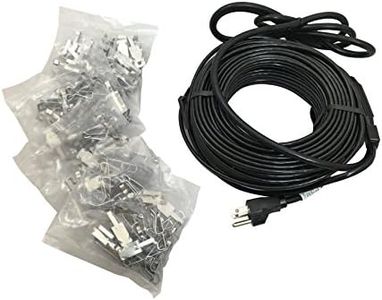
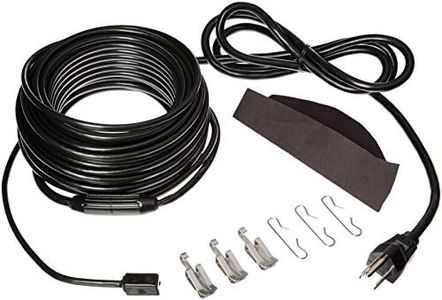
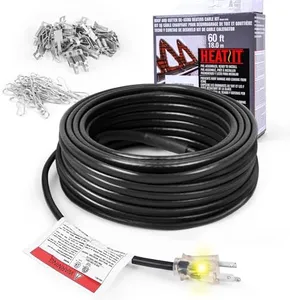
HEATIT HIRD 160 feet 5 Watts Per Foot Roof & Gutter Snow De-Icing Cable

Rating
10.0
Chosen by1,204
Durability and Weather Resistance
Installation Ease

Most important from
2233 reviews

Durability and Weather Resistance
Effectively melts all ice buildup on gutters, ensuring they stay clear and functional throughout winter.
Installation Ease
Installation is surprisingly straightforward, even on metal roofs, aided by adaptable connectors and clear instructions.

The HEATIT HIRD heat cable is a solid choice for keeping your roof and gutters free from ice buildup, which helps prevent damage and water backups. With a 160-foot cable length and a power output of 5 watts per foot, it provides enough coverage and heat for most medium to large roof and gutter setups. One of its strong points is the thorough safety certifications (ETL, CSA for the cable, and UL for the plug), giving you peace of mind about its reliability and electrical safety.

The cable is well-built with durable insulation materials designed to withstand harsh weather conditions, making it suitable for use in cold climates. Installation is made relatively easy thanks to the pre-assembled 6-foot cold lead with a plug, and the package includes clips, spacers, and clear instructions, which helps if you’re doing it yourself. It works best on metal or plastic gutters and roofs with noncombustible shingles like asphalt, which are common on many homes.

The cable must be fully uncoiled before use to avoid damage, and it’s important to follow installation guidelines closely to ensure safety and effectiveness. Some users might find the weight and length a bit cumbersome if working alone, but it performs well for its intended purpose of preventing ice dams and protecting gutters and roofs from winter damage.

Rating
10.0
Chosen by1,204
Durability and Weather Resistance
Installation Ease

Most important from
2233 reviews

Durability and Weather Resistance
Effectively melts all ice buildup on gutters, ensuring they stay clear and functional throughout winter.
Installation Ease
Installation is surprisingly straightforward, even on metal roofs, aided by adaptable connectors and clear instructions.
#2

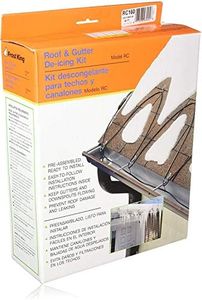
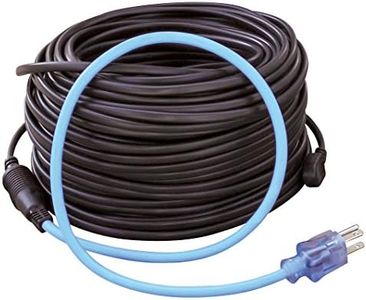
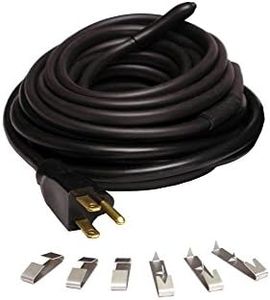
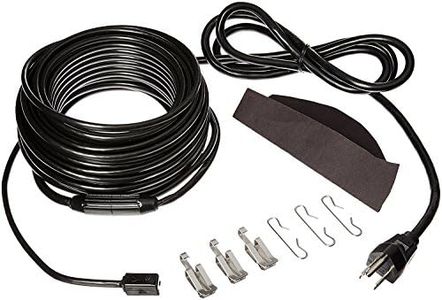
Frost King RC200 Electric Roof Cable Kits, 120V x 1000W x 200Ft, Black

Rating
9.4
Cable Length
Power Output
Voltage

Most important from
2210 reviews

Cable Length
The 200-foot cable length nearly covers a typical 66-foot roof, but adding gutter cables is important to prevent ice buildup in gutters.
Power Output
Consumes significant power—around 1000 watts—so it’s best used only when necessary to manage costs.
Voltage
Using a heavier gauge extension cord (14ga) is necessary to safely power the cable for extended periods.
Installation Ease
Installation requires care to avoid shingle damage and using gloves is essential due to sharp clips.

The Frost King RC200 Electric Roof Cable Kit is designed to keep gutters and downspouts clear of ice and prevent roof damage caused by ice dams. With a 200-foot cable length, it covers a substantial area, making it suitable for medium to large roof sections. It operates at 120 volts and 1000 watts, providing enough heat output to effectively melt ice in typical winter conditions. The cable is made of copper, which is good for heat conduction and durability, and comes pre-assembled for easier installation. Users will appreciate the included clear instructions, which simplify the setup process even for those without much experience.

Some buyers might find the 6.72-pound weight a bit heavy if they need to move or reposition the cable often, but this is common with cables of this length and power. The Frost King RC200 is a reliable and straightforward solution for homeowners seeking a long cable with sufficient heating power and simple installation to prevent ice buildup on their roofs and gutters.

Rating
9.4
Cable Length
Power Output
Voltage

Most important from
2210 reviews

Cable Length
The 200-foot cable length nearly covers a typical 66-foot roof, but adding gutter cables is important to prevent ice buildup in gutters.
Power Output
Consumes significant power—around 1000 watts—so it’s best used only when necessary to manage costs.
Voltage
Using a heavier gauge extension cord (14ga) is necessary to safely power the cable for extended periods.
Installation Ease
Installation requires care to avoid shingle damage and using gloves is essential due to sharp clips.
#3

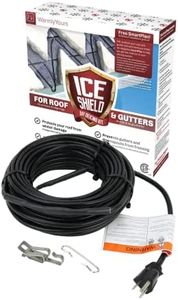
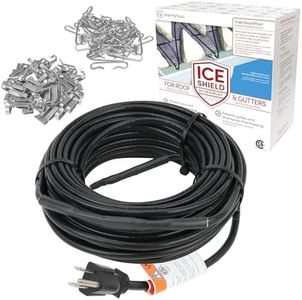
WarmlyYours Roof Snow De-Icing Heat Cable 80 ft., 5 Watts/ft. Heat Tape for Roof and Gutters, Ice Dam and Snow Damage Prevention System with Clips and Spacers (Ice Shield)

Rating
8.2
Power Output
Installation Ease

Most important from
104 reviews

Power Output
Delivers steady, reliable heat that effectively prevents ice buildup on roofs and gutters.
Installation Ease
Installation is straightforward with included clips, making it easy to attach directly to shingles and gutters.

The WarmlyYours Roof Snow De-Icing Heat Cable is a solid choice if you want to protect your roof and gutters from ice dams and snow buildup. At 80 feet long, it offers plenty of coverage for typical residential roofs and gutters. It uses a twin conductor cable that provides 5 watts per foot, which means it delivers steady, reliable heat to keep ice from forming, helping avoid costly winter damage. This cable runs on standard 120 volts, so you can plug it into any regular outlet without special wiring.

Durability is a strong point here—the cable is cUL, CSA, and cETLus listed, ensuring it’s safe to use even in wet conditions. Its PVC coating is UV-resistant, protecting the cable from sun damage as well, and it comes with a 2-year warranty for peace of mind. Installation is designed to be DIY-friendly with clips and spacers included, so you don’t need professional help, which can save time and money.

The cable’s power output (400 watts total) is suitable for typical use but might not be enough for very long or extremely harsh roof setups. The cable is best for noncombustible shingles like asphalt, so you’ll want to check your roof type before buying. This kit provides everything needed to start preventing ice dams early in the season, making it a practical and reliable option for homeowners looking to maintain their roofs through winter.

Rating
8.2
Power Output
Installation Ease

Most important from
104 reviews

Power Output
Delivers steady, reliable heat that effectively prevents ice buildup on roofs and gutters.
Installation Ease
Installation is straightforward with included clips, making it easy to attach directly to shingles and gutters.

Buying Guide for the Best Heat Cables For Roofs And Gutters

When it comes to picking heat cables for roofs and gutters, it's essential to understand the key specifications that will ensure you get the right product for your needs. Heat cables are designed to prevent ice dams and icicles from forming on your roof and in your gutters, which can cause significant damage to your home. By focusing on the following key specifications, you can make an informed decision and choose the best heat cable for your situation.
Cable LengthCable length is the total length of the heat cable. This is important because you need to ensure that the cable is long enough to cover the areas of your roof and gutters that are prone to ice buildup. To determine the right length, measure the linear feet of your roof edges and gutters. If you have a larger area to cover, you will need a longer cable. For smaller areas, a shorter cable will suffice. Make sure to account for any additional length needed to reach an electrical outlet.
Cable TypeThere are two main types of heat cables: self-regulating and constant wattage. Self-regulating cables adjust their heat output based on the surrounding temperature, making them more energy-efficient and safer for various roof materials. Constant wattage cables provide a consistent heat output regardless of the temperature, which can be useful for areas with consistently cold temperatures. Choose self-regulating cables if you want energy efficiency and safety, or constant wattage cables if you need consistent heat in very cold climates.
Power OutputPower output, measured in watts per foot, indicates how much heat the cable generates. This is crucial because it determines how effective the cable will be at melting ice. Higher power output means more heat, which is better for extremely cold areas or thicker ice. Lower power output is suitable for milder climates or less severe ice problems. Assess the typical winter conditions in your area to decide on the appropriate power output for your heat cable.
VoltageVoltage refers to the electrical power required to operate the heat cable. Most residential heat cables operate on standard household voltage (120V), but some may require higher voltage (240V). Ensure that the voltage of the heat cable matches the voltage of your electrical system. If you are unsure, consult an electrician to determine the appropriate voltage for your home.
Durability and Weather ResistanceDurability and weather resistance are critical because heat cables are exposed to harsh winter conditions. Look for cables that are UV-resistant, waterproof, and designed to withstand extreme temperatures. This ensures that the cable will last longer and perform reliably throughout the winter. Check product reviews and manufacturer specifications to gauge the durability and weather resistance of the heat cable.
Installation EaseInstallation ease refers to how simple it is to install the heat cable on your roof and gutters. Some cables come with clips, spacers, and detailed instructions, making them easier to install. Others may require professional installation. If you prefer a DIY approach, look for cables with user-friendly installation features. If you are not comfortable with electrical work, consider hiring a professional to ensure safe and proper installation.

FAQ